·
·
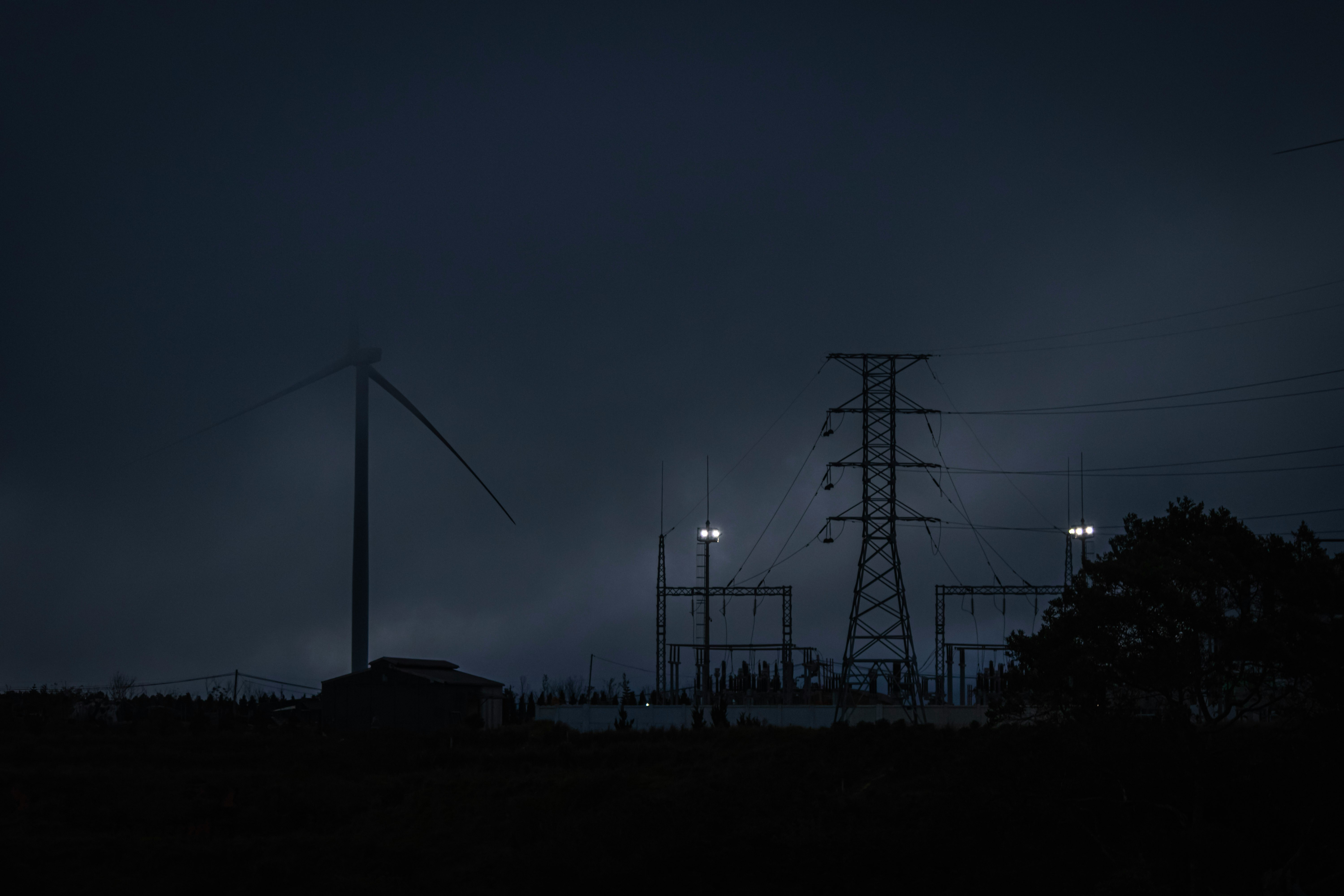
Power outages have become a reality for many California homeowners. Storm damage, equipment failures, and wildfire-related safety shutoffs can all interrupt electricity service.
Even short outages can disrupt daily life. Refrigerators stop running, internet connections drop, and important devices cannot be charged. Longer outages can create more serious challenges for households that rely on electricity for heating, cooling, or medical equipment.
Because of this, many homeowners are exploring backup power options that can keep essential parts of the home running when the grid goes down.
Why outages are happening more often
California's electrical system faces several challenges that can lead to temporary outages.
One major factor is wildfire risk. During extreme weather conditions, utilities sometimes shut off electricity in high-risk areas to prevent power lines from starting fires. These planned shutoffs are commonly known as Public Safety Power Shutoffs.
Storms, high winds, and aging infrastructure can also cause unexpected outages by damaging power lines or other parts of the electrical grid.
As a result, backup power solutions are becoming an increasingly common part of home energy planning.
What homeowners usually want during an outage
Most households do not need to power their entire home during a blackout. Instead, they focus on keeping critical devices running.
Common critical loads include:
Refrigerators and freezers
Internet routers and communication devices
Lighting in key rooms
Phone and device charging
Medical equipment when necessary
Identifying these essential devices helps determine what type of backup system will work best.
Portable power stations
Portable power stations are one of the simplest backup solutions.
These systems store electricity internally and provide outlets that can power small appliances or electronics during an outage.
Advantages include:
Easy setup with no installation required
Quiet operation
Portable and usable in different locations
However, portable power stations typically store a limited amount of energy and may only power small devices for several hours.
Home energy storage systems
Home energy storage systems are larger units that are permanently installed in a house. These systems connect to the home's electrical panel and can automatically supply electricity when a power outage occurs.
Energy storage systems can power selected circuits or critical loads during an outage. Some larger installations may support more of the home depending on system size.
Advantages of home energy storage include:
Automatic operation during outages
Quiet and emissions-free operation
Ability to recharge from on-site generation if available
Backup duration depends on how much electricity the home is using and how much energy the system can store.
Backup generators
Generators are a long-standing solution for providing electricity during outages.
These systems generate electricity by burning fuel such as gasoline, propane, or natural gas. Generators can power larger loads than most storage systems and can run as long as fuel is available.
Common advantages include:
Ability to run many appliances simultaneously
Long runtime with sufficient fuel supply
Suitable for extended outages
However, generators produce noise and emissions and typically require outdoor placement for safety.
On-site generation plus storage
Some homeowners combine on-site generation with energy storage to create a more resilient energy system.
On-site generation can produce electricity during the day, while storage holds energy for later use. During an outage, the storage system can power critical loads, and on-site generation can recharge it when conditions allow.
This setup can extend the amount of time a home can operate without grid electricity, particularly during multi-day outages.
Choosing the right backup option
The best backup power system depends on several factors, including:
How often outages occur in the area
How long outages typically last
Which appliances need to keep running
Available installation space
Budget considerations
Some homeowners choose simple portable solutions, while others install permanent backup systems for greater reliability.
Planning ahead for outages
Preparing for outages before they occur can make a significant difference in how disruptive they become.
Simple planning steps may include identifying essential appliances, understanding how much electricity they use, and selecting a backup system capable of supporting those needs.
As outages become more common in some areas, backup power solutions are increasingly viewed as part of a home's overall energy strategy rather than a temporary emergency measure.
California Energy Initiative is a Sacramento-based local energy advisory company. We connect homeowners with state-supported self-generation programs and energy incentives. Call (888) 288-6988 or visit cainitiative.com.