
·
·
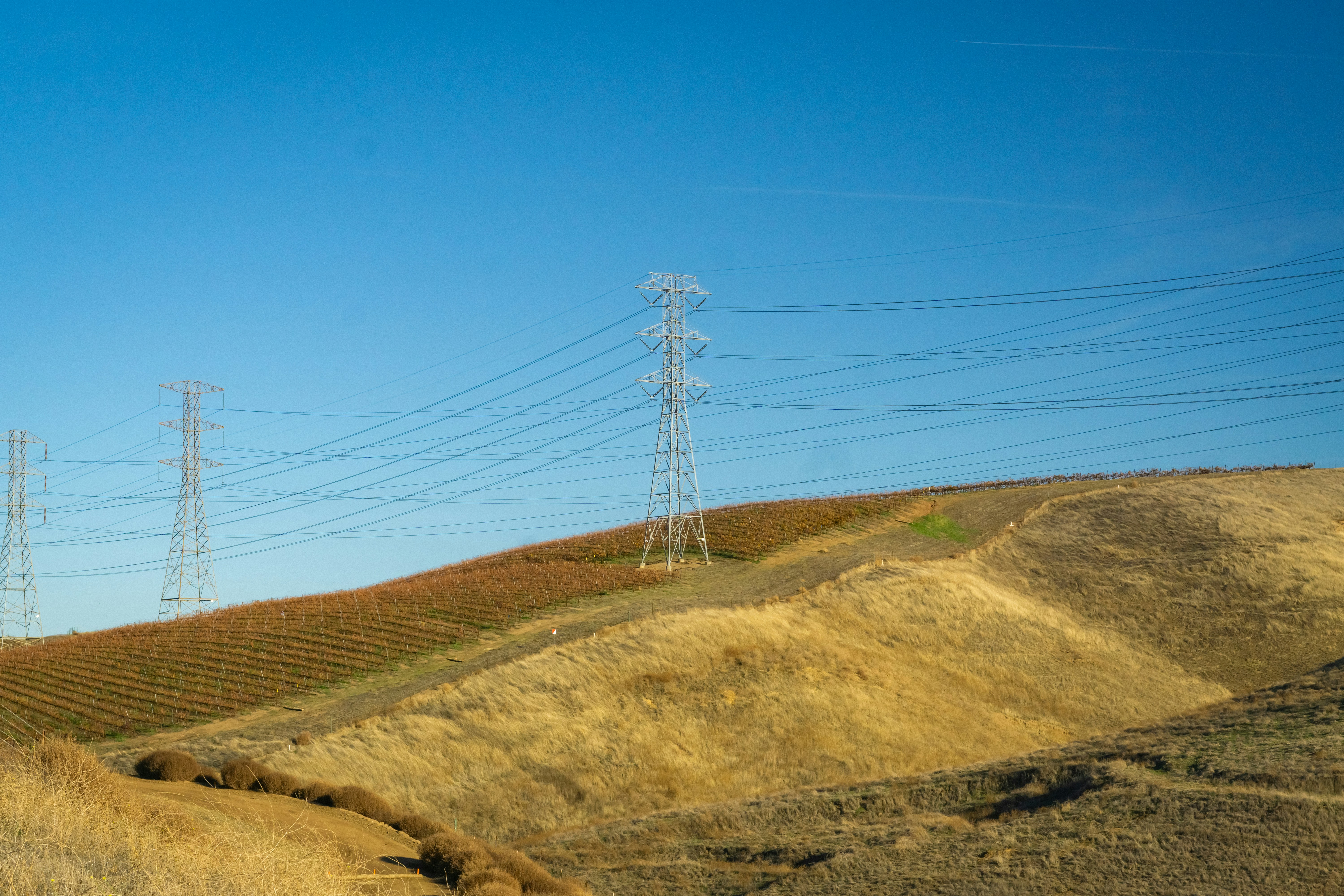
Electricity prices in California have been increasing for many households over the past several years. While many homeowners focus on their monthly bill, the reasons behind rising electricity costs are often tied to large-scale changes happening across the state's energy infrastructure.
Two major factors driving these changes are wildfire prevention and large investments in upgrading the electrical grid. Understanding how these factors influence electricity prices can help explain why rates continue to rise and what changes may shape the future of California's energy system.
The challenge of maintaining a large electric grid
California operates one of the largest and most complex electrical systems in the United States. The grid includes thousands of miles of transmission lines, substations, transformers, and distribution networks that deliver electricity to homes and businesses.
Much of this infrastructure was built decades ago and requires continuous maintenance and modernization. As equipment ages, utilities must repair or replace components to maintain reliability and safety.
These upgrades can involve:
Replacing aging power lines and poles
Upgrading substations and transformers
Installing modern monitoring systems
Strengthening infrastructure to withstand extreme weather
Large infrastructure projects require significant investment, which can contribute to rising electricity costs over time.
Wildfire risk and electrical infrastructure
Wildfires have become one of the most serious challenges for California's electrical system. In dry and windy conditions, damaged power lines or equipment can potentially ignite fires.
To reduce this risk, utilities have been implementing extensive wildfire mitigation programs.
These programs often include:
Expanding vegetation management near power lines
Installing sensors and monitoring technology
Strengthening or insulating power lines
Replacing older equipment with safer designs
In some areas, utilities are also placing power lines underground to reduce wildfire risk and improve reliability.
While these measures improve safety, they also involve large construction and maintenance costs.
Public Safety Power Shutoffs
Another response to wildfire risk has been the use of Public Safety Power Shutoffs. During extreme weather conditions, utilities may temporarily turn off electricity in high-risk areas to prevent potential fires.
These shutoffs are designed to reduce the likelihood of power lines causing wildfires during high winds or extremely dry conditions.
Although these outages can help reduce fire risk, they also highlight the challenges of maintaining safe electrical infrastructure in regions with severe wildfire conditions.
The cost of modernization
In addition to wildfire mitigation, California's grid is also evolving to support new types of energy use.
The state is seeing rapid growth in:
Electric vehicles
Electric heating systems
On-site energy generation
Energy storage technologies
These changes require upgrades to transmission and distribution networks so the grid can manage new patterns of electricity demand.
Modern grid technology also includes advanced sensors, digital monitoring systems, and automated equipment that helps utilities detect problems and respond more quickly to outages.
Why these investments affect electricity rates
Electric utilities operate under regulatory structures that allow them to recover the cost of building, maintaining, and upgrading infrastructure.
When utilities invest in major safety upgrades, wildfire mitigation programs, or grid modernization projects, those costs can eventually influence electricity rates paid by customers.
While these investments are intended to improve reliability and safety, they can also contribute to higher electricity prices in the short term.
What this means for homeowners
Although homeowners cannot control infrastructure costs or utility investments, understanding the broader energy landscape can help explain why electricity prices may continue to evolve.
Some households respond by focusing on ways to manage when and how electricity is used. Others explore energy technologies that allow them to produce or store electricity locally.
Energy usage patterns, home efficiency, and electricity pricing structures all play a role in how rising utility rates affect individual households.
The future of California's grid
California's electrical system is undergoing one of the largest transitions in its history. Investments in safety, wildfire prevention, clean energy integration, and electrification are reshaping how electricity is generated and delivered.
While these changes can create short-term challenges for electricity costs, they are also part of a long-term effort to improve grid reliability and support a cleaner energy system.
For homeowners, understanding these trends can make it easier to adapt to changing electricity pricing and energy technologies in the years ahead.
California Energy Initiative is a Sacramento-based local energy advisory company. We connect homeowners with state-supported self-generation programs and energy incentives. Call (888) 288-6988 or visit cainitiative.com.