
·
·

Whole-home electrification means replacing your gas appliances with efficient electric ones: a heat pump for heating and cooling, a heat pump water heater, induction cooking, and EV charging, usually paired over time with self-generation and home energy storage. The smart 2026 order is simple. Check your electrical panel first, then tackle your biggest gas loads, and use SMUD and state rebates while they last, because the federal credits ended December 31, 2025.
"Electrify everything" is good advice delivered badly. Homeowners hear it and picture ripping out every appliance at once, blowing the budget, and discovering halfway through that their electrical panel can't handle the load. Done in the right order, electrification is a series of manageable upgrades that each pay off on their own. This roadmap lays out that order for California homes, with the 2026 incentive reality built in.
Why electrification, and why now
Two things changed the math in 2026. First, the federal incentives that used to anchor these projects, the 25C Energy Efficient Home Improvement Credit and the 25D residential credit, both expired on December 31, 2025. That shifts the savings burden onto state and utility programs, which for Sacramento-area homeowners are still generous. Second, California's electricity rates keep climbing, averaging roughly 30–35 cents per kWh according to U.S. Energy Information Administration data, which makes an efficient heat pump, running at 300–400% efficiency, meaningfully cheaper to operate than the gas equipment it replaces.
The result: in 2026, electrification is driven by utility rebates and long-run operating savings, not federal tax credits. That makes sequencing and eligibility more important than ever.
Step 0: Start with your electrical panel
This is the step people skip, and it's the one that derails projects. Every electric appliance you add draws from your panel. Many older California homes have 100-amp service that can't comfortably support a heat pump, a heat pump water heater, an EV charger, and an induction range all at once.
Before buying anything, have your panel and main service capacity assessed. The good news: you often don't need a full, expensive service upgrade. Smart electrical panels and circuit-sharing load-management devices can let multiple appliances coexist on existing service. And SMUD's "Go Electric" bonus helps with the wiring, offering up to $2,000, structured as roughly $500 per eligible circuit plus $500 for a sub-panel if one is needed.
The sequence: biggest gas loads first
After the panel, electrify in order of impact. Your water heater and space heating are the two largest gas loads in most homes, so they come first.
Upgrade | Replaces | 2026 Sacramento (SMUD) incentive | Notes |
|---|---|---|---|
Heat pump water heater | Gas water heater | $3,000–$4,000 (by tank size) | Biggest easy win; steady daily savings |
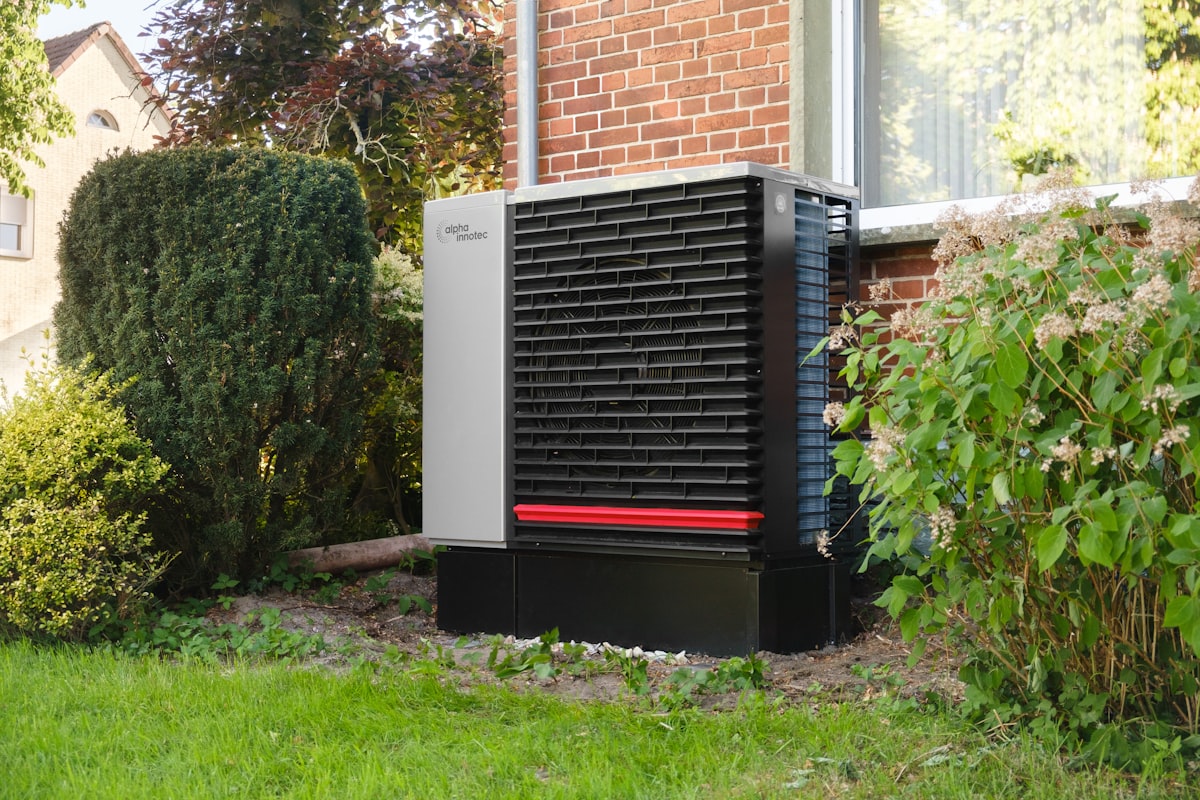
Heat pump HVAC | Gas furnace / AC | Up to $3,000 (variable-stage), $2,000 (two-stage) | Heats and cools; 300–400% efficient |
Panel / circuit work | Existing service | Up to $2,000 ("Go Electric") | Enables everything else |
Induction cooking | Gas range | Varies (TECH Clean California, while funded) | Improves indoor air quality |
EV charging | Gas fill-ups | Utility / rate incentives | Pair with time-of-use rates |
Self-generation + energy storage | Grid-only supply | Utility + VPP earnings | The resilience and bill-offset layer |
Incentive amounts reflect publicly reported SMUD and TECH Clean California figures as of mid-2026 and change as funding is drawn down; verify current amounts before you commit.
A practical note on ordering: TECH Clean California and utility rebates are explicitly available while funding lasts, so the programs you qualify for today may not be there next year. That argues for doing the high-value swaps, water heating and space heating, sooner rather than later.
EV charging, then self-generation and storage
Once your big loads are electric, home EV charging is the next lever, and it pairs directly with California's time-of-use rates. Charge overnight and you avoid the expensive 4–9 pm peak. Our guides on EV charging schedules and time-of-use rates cover the timing.
Self-generation and home energy storage usually come last, not because they're least important, but because sizing them correctly depends on knowing your fully electrified load. A home that has already added a heat pump and an EV has a very different energy profile than one that hasn't. Add storage at the end and you can also earn from it through a virtual power plant.
Frequently asked questions
What order should I electrify my home in?
Assess your electrical panel first, then replace your two biggest gas loads (water heating and space heating), then induction cooking, EV charging, and finally self-generation with energy storage. Sizing the last step depends on your fully electrified load.
Do I need to upgrade my electrical panel to electrify?
Not always. Many homes avoid a full service upgrade using smart panels and load-management devices. SMUD's "Go Electric" bonus offers up to $2,000 toward eligible circuit and sub-panel work.
Are there still federal tax credits for electrification in 2026?
No. The federal 25C and 25D credits expired December 31, 2025. In 2026 the savings come from utility and state programs like SMUD rebates and TECH Clean California, while funding lasts.
How much can a heat pump save versus gas?
Because heat pumps run at roughly 300–400% efficiency, they typically cost less to operate than gas equipment even at California's high electricity rates. Exact savings depend on your home and rate plan.
Should I do everything at once?
Rarely. Electrification works best as a sequence: each step pays off on its own, spreads the cost, and lets you capture rebates as you go rather than overloading your panel and budget at once.
California Energy Initiative is a Sacramento-based local energy advisory service. We map the right electrification sequence for your home, confirm which 2026 programs you actually qualify for, and make sure the electrical foundation is there before anything gets installed. We are not affiliated with californiaenergyinitiative.org. Our assessment is free, with no pressure to sign anything. Call (888) 288-6988 or visit cainitiative.com.