
·
·
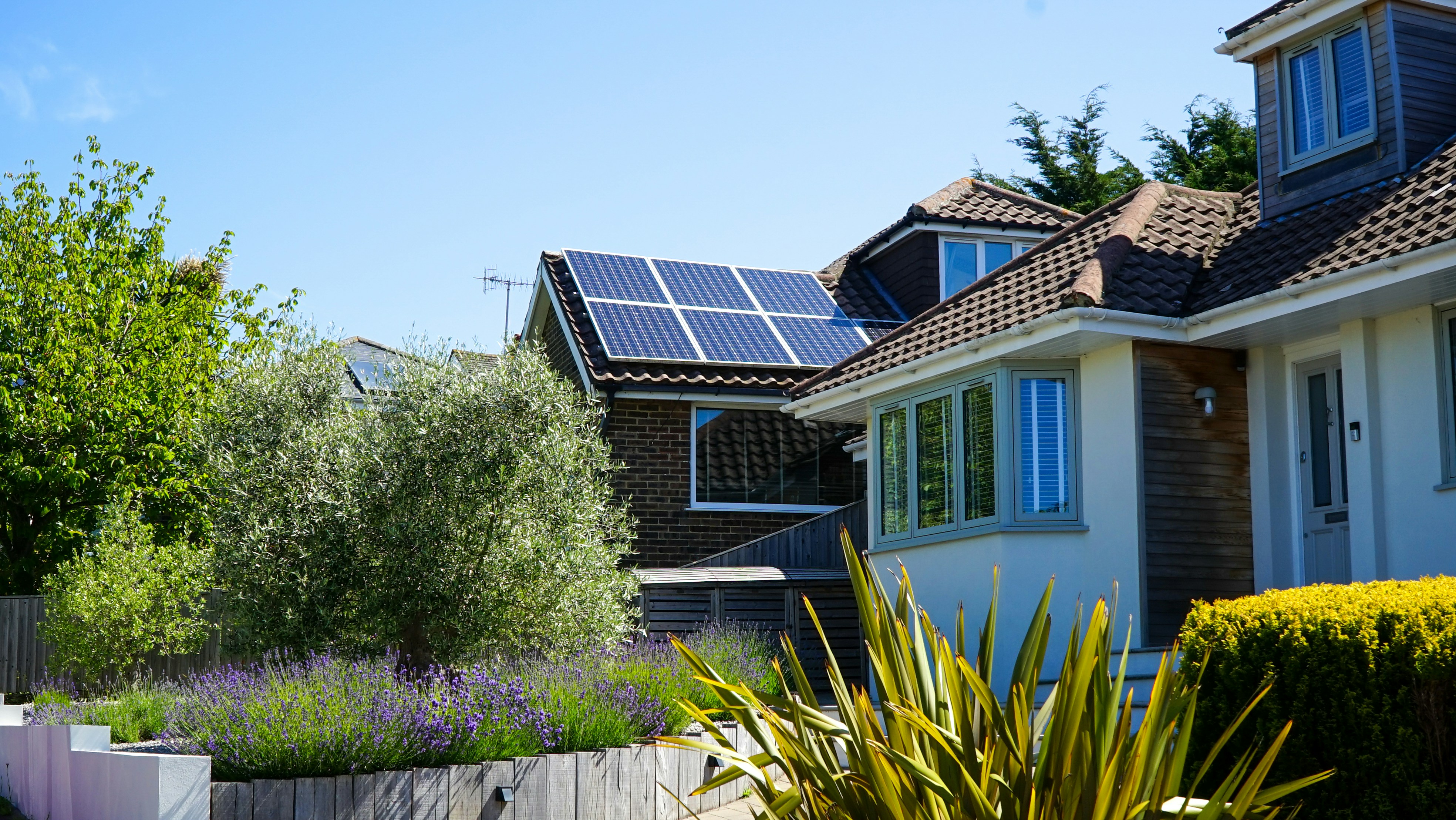
A Virtual Power Plant pays you to share stored home energy during grid events, but the amount depends on the program, your utility, and how many events are called. In California in 2026, that ranges from about $2 per kWh per event to a one-time enrollment bonus of up to $5,400. Here's the real math.
The two ways VPPs pay
VPP earnings come in two shapes: per-event energy payments (a set rate for each kWh your system delivers during a grid event) and enrollment or ongoing incentives (a signup bonus and/or recurring payments). In every case, your home keeps a backup reserve and stays the priority — you're paid for spare capacity.
Per-event payments: about $2 per kWh
The headline rate across California's event-based programs is around $2.00 per kWh delivered during an event.
Tesla VPP with PG&E, run through PG&E's Emergency Load Reduction Program, pays $2.00 per kWh for the additional energy your system delivers during a PG&E emergency event; you set your backup reserve in the app (Tesla; PG&E).
The statewide DSGS program historically paid the same $2/kWh, and active participants earned roughly $350 per unit per summer, with the highest documented single-summer earning around $575 (California Energy Commission program data; industry reporting). Note: DSGS's per-event option is suspended for 2026 and its storage VPP option is largely closed to new enrollment (CEC; Olivine).
Enrollment and ongoing payments: Sacramento's SMUD example
SMUD runs the most generous enrollment-based VPP in the state. My Energy Optimizer Partner+ pays up to $5,400 per qualifying unit (capped at $10,000 per household) by check after installation, plus roughly $440 per year per Tesla Powerwall in ongoing payments. You must enroll within 90 days of permission to operate, on SMUD's Solar and Storage Rate (SMUD / smud.org).
Seasonal-reward VPPs
Sunrun CalReady pays Sunrun solar-and-storage customers seasonal rewards plus a bill credit. It's described as the nation's largest residential distributed power plant, with over 56,000 Californians enrolled; the summer season runs May 1 to October 31, 2026, and systems keep a 20% backup reserve (Sunrun).
What you actually earn, by utility
Utility / area | Program | How it pays | Realistic 2026 earning |
|---|---|---|---|
PG&E (and CCAs) | Tesla VPP / ELRP | ~$2/kWh per event | A few hundred $/yr per unit, event-dependent |
SCE, SDG&E | ELRP via aggregators | ~$2/kWh per event | Similar, event-dependent |
SMUD (Sacramento) | My Energy Optimizer Partner+ | Up to $5,400 upfront + ~$440/yr | Largest upfront in CA, plus recurring |
Sunrun customers | CalReady | Seasonal reward + bill credit | Varies by season and events |
Statewide | DSGS | ~$2/kWh / capacity | Largely closed to new enrollment in 2026 |
What affects your total
Your actual earnings depend on how many events are called (weather-driven, mostly summer afternoons), your backup-reserve setting (a lower reserve means more shareable capacity), your equipment's eligibility, your utility, and whether you also optimize around time-of-use rates. Program budgets change too — DSGS tightening for 2026 is the live example — so confirm current terms before counting on a number.
Where an honest advisor fits
The right VPP depends on your utility and your equipment, and the best-paying option in Sacramento is different from the best option in PG&E territory. California Energy Initiative is a Sacramento-based local energy advisory service — not a contractor or installer. We check what you have and tell you which open program pays best for your setup. Our assessment is free, with no pressure to sign anything.
Frequently asked questions
How much does a VPP pay in California?
Event-based programs pay around $2 per kWh delivered during events; SMUD adds up to $5,400 upfront plus about $440 per year per unit. Totals vary with the number of events, your utility, and your equipment.
Does sharing energy cost me anything?
There's no direct cost. You share only spare capacity above your backup reserve, and your home is always powered first.
Which VPP pays the most in Sacramento?
SMUD's My Energy Optimizer Partner+, which combines the largest upfront incentive in California with ongoing annual payments.
Can I lose money in a VPP?
No — you're compensated for the capacity you share. The main tradeoff is additional storage cycling, which you control by setting your reserve and opting out of events.
Is California Energy Initiative a contractor?
No. CEI is a Sacramento-based local energy advisory service. We help you check eligibility and connect with independent licensed installers, and we're not affiliated with californiaenergyinitiative.org.
California Energy Initiative is a Sacramento-based local energy advisory service. We help homeowners check program eligibility, get a free assessment, and connect with independent licensed installers. We are not a contractor or installer, and we are not affiliated with californiaenergyinitiative.org. Call (888) 288-6988 or visit cainitiative.com.