
·
·
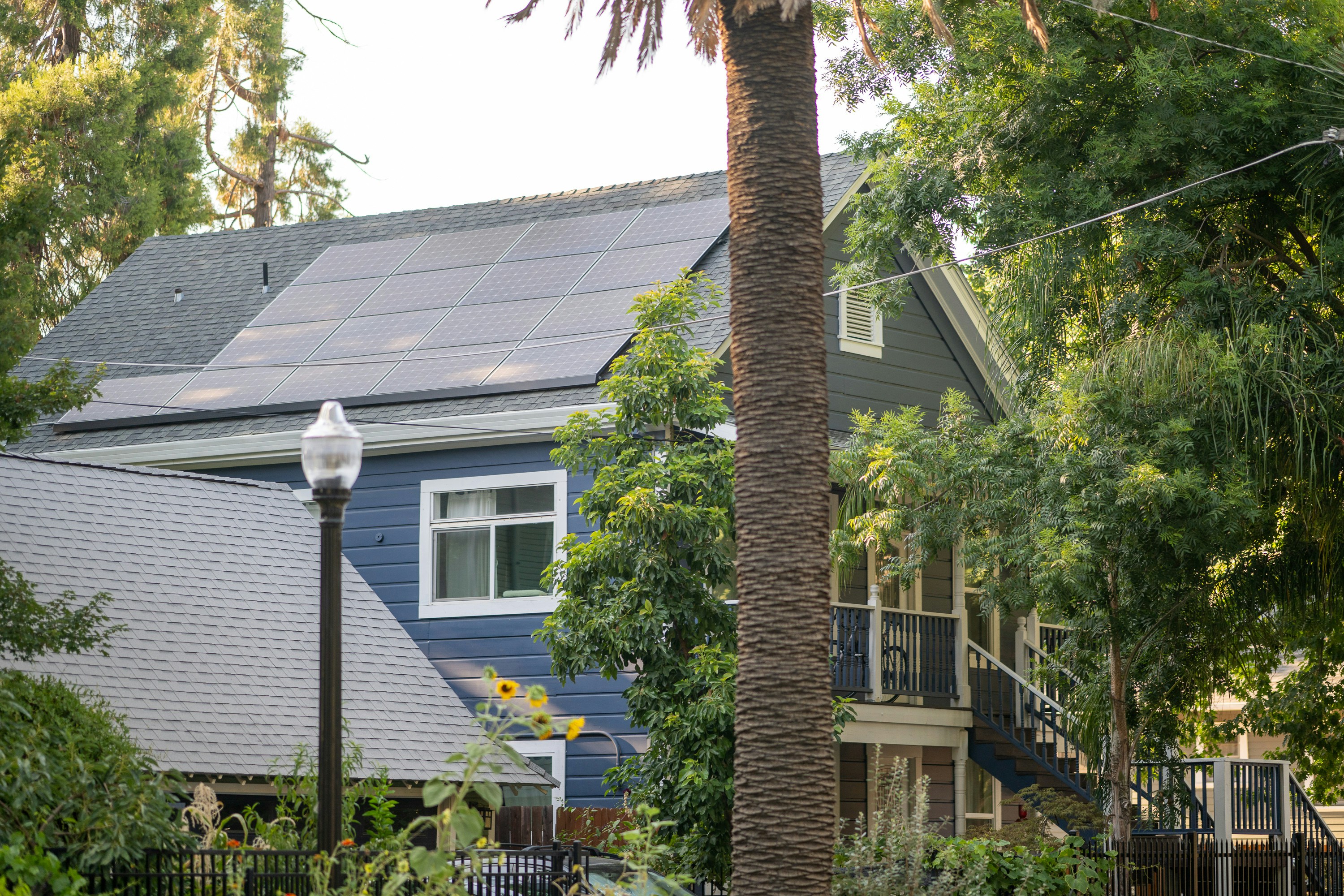
Electricity in California remains among the most expensive in the United States, which is why many homeowners still look at solar as a long-term strategy for controlling energy costs. However, the economics of solar have changed in recent years. Policies, billing structures, and incentives are different than they were just a few years ago.
The key question for homeowners today is not simply “Should I get solar?” but rather “How should a solar system be designed to work best under today’s rules?”
This guide explains what changed, what still works, and how to evaluate whether solar makes sense for your home in 2026.
What changed for solar in California?
California transitioned to a new billing structure often referred to as the Solar Billing Plan. Under older net metering systems, homeowners could export extra solar energy to the grid and receive credits close to the retail electricity price.
Under the newer structure, exported electricity is credited differently. The value of exported power can vary depending on grid demand and time of day.
This means that solar savings now depend more on how much of the solar electricity you use yourself, rather than how much you export.
Why self-consumption matters more now
When your solar panels produce electricity, that power is first used by your home. Any remaining energy is exported to the grid.
Because export credits are often lower than the retail price of electricity, using more of your solar energy directly usually creates greater financial value.
Examples of daytime electricity usage include:
Working from home (computers, HVAC, electronics)
Running laundry or dishwashers during the day
Charging an electric vehicle midday
Pre-cooling the home before peak evening pricing
Homes that naturally use more energy during the daytime often benefit the most from solar under the current system.
The growing role of home batteries
Energy storage has become a much more important part of the solar conversation.
A home battery allows solar energy generated during the day to be stored and used later, typically in the evening when electricity prices are higher. Instead of exporting that energy to the grid, it can be used directly in the home.
Batteries can also provide backup power during outages, allowing essential appliances to keep running when the grid goes down.
For many households, solar combined with battery storage provides both cost management and energy resilience.
Typical cost factors for solar systems
Solar system pricing in California can vary widely depending on several factors:
System size (measured in kilowatts)
Roof condition and complexity
Type of inverter technology used
Electrical panel capacity and upgrades
Local permitting requirements
Utility interconnection processes
Because every home is different, quotes often vary significantly. Looking only at the total price can be misleading. It is usually more useful to compare systems based on price per watt, equipment quality, and warranty coverage.
When solar tends to make the most sense
Solar systems generally perform best financially in situations where homeowners plan to stay in their homes long enough to benefit from long-term energy savings.
Solar can be especially attractive when:
A home has strong sun exposure and minimal shading
Electricity usage is moderate to high
Energy use occurs during daytime hours
Homeowners expect electricity prices to continue rising
Energy resilience is important due to outages or wildfire-related shutoffs
In these cases, solar can help reduce dependence on grid electricity and provide more predictable long-term energy costs.
Situations where solar may require more planning
Solar may require a more careful approach if:
The roof has significant shading from trees or nearby buildings
The roof needs replacement soon
Electricity usage is very low
The homeowner plans to move within a short time frame
In these situations, homeowners often benefit from evaluating additional strategies such as improving home efficiency, adjusting energy usage patterns, or designing a smaller solar system that better matches the home’s needs.
A practical way to evaluate solar for your home
A simple method for evaluating solar potential is to review a full year of electricity usage. Seasonal changes in air conditioning and heating can affect overall consumption, so a full year gives a more accurate picture.
Homeowners can then consider:
Total annual electricity usage
Current electricity rate plan
Typical peak pricing hours
Roof space and sun exposure
Potential for daytime energy usage
Combining these factors provides a clearer view of whether solar will provide meaningful savings.
The bottom line for 2026
Solar energy in California has not disappeared as an option for homeowners. Instead, the way solar systems create value has shifted.
Systems designed to maximize self-consumption, combined with thoughtful energy usage patterns and, in some cases, battery storage, can still provide strong long-term benefits.
For homeowners interested in stabilizing their energy costs and reducing reliance on the grid, solar remains one of the most widely considered home energy upgrades in California.