
·
·

Most California homeowners think "renewable energy" means one thing. In reality, self-generation spans several options — rooftop solar, energy storage, small wind, geothermal heat pumps, and fuel cells — each suited to different homes, budgets, and sites. This guide explains what each one does, what it realistically costs, and which actually fit a typical California home in 2026.
Renewable energy is a category, not a single product. Knowing the full menu helps you spot when a sales pitch is steering you toward one option that may not be the best fit for your home.
1. Rooftop solar — the familiar default
Rooftop solar is the option most people picture, and for good reason: it has the lowest cost per watt of any home renewable option, around $2.50–$4.00 per watt installed. It works on almost any sunny California roof with minimal moving parts.
What changed is the payback math. Under California's NEM 3.0 net billing rules, energy you export back to the grid is now credited at roughly $0.05–$0.08 per kWh, while power you pull from the grid at peak hours can cost $0.40–$0.55 per kWh. That gap is why solar today is usually paired with energy storage rather than installed alone.
2. Energy storage — the resilience workhorse
Energy storage is what lets you keep your own generation for when you actually need it — during evening peak pricing or a grid outage. After NEM 3.0, storage is the main path to both lower bills and wildfire/PSPS resilience.
It's also where the active California rebate money is. In 2026, the one open SGIP pathway — the Residential Storage and Solar Equity program — is built around income-qualified storage. (See our full breakdown in SGIP Rebates in 2026: Who Can Still Qualify.)
3. Small wind — possible, but niche (the honest answer)
Wind is the option people are most curious about and most often misled on. Here's the straight version, from the U.S. Department of Energy and NREL.
A home wind system can work, but it has demanding requirements:
Land: generally 1+ acre of open property (DOE Small Wind Guidebook).
Wind resource: a useful average wind speed of 10+ mph, with 12+ mph considered good. Power scales with the cube of wind speed, so a weak site produces very little.
Tower: typically 60–120 ft tall, well above nearby trees and rooftops.
Cost: roughly $8,000 per kW installed (NREL 2023 Distributed Wind Market Report) — about double to triple rooftop solar per unit of capacity — with a 15–25 year payback versus 6–10 years for solar.
The practical reality: only about 13% of U.S. residential properties have a strong enough wind class at a tower height a homeowner can realistically permit. In California, usable wind is concentrated in six regions — Altamont, East San Diego County, Pacheco, Solano, San Gorgonio, and Tehachapi (California Energy Commission). For a typical Sacramento-area suburban lot, wind is rarely practical. For rural acreage with steady wind, it can be a real option.
One useful note: SGIP's renewable-generation budget has historically funded wind turbines and fuel cells, not just storage — so wind isn't outside the incentive world, it's just situational.
4. Geothermal and heat pumps — cutting the load you need to cover
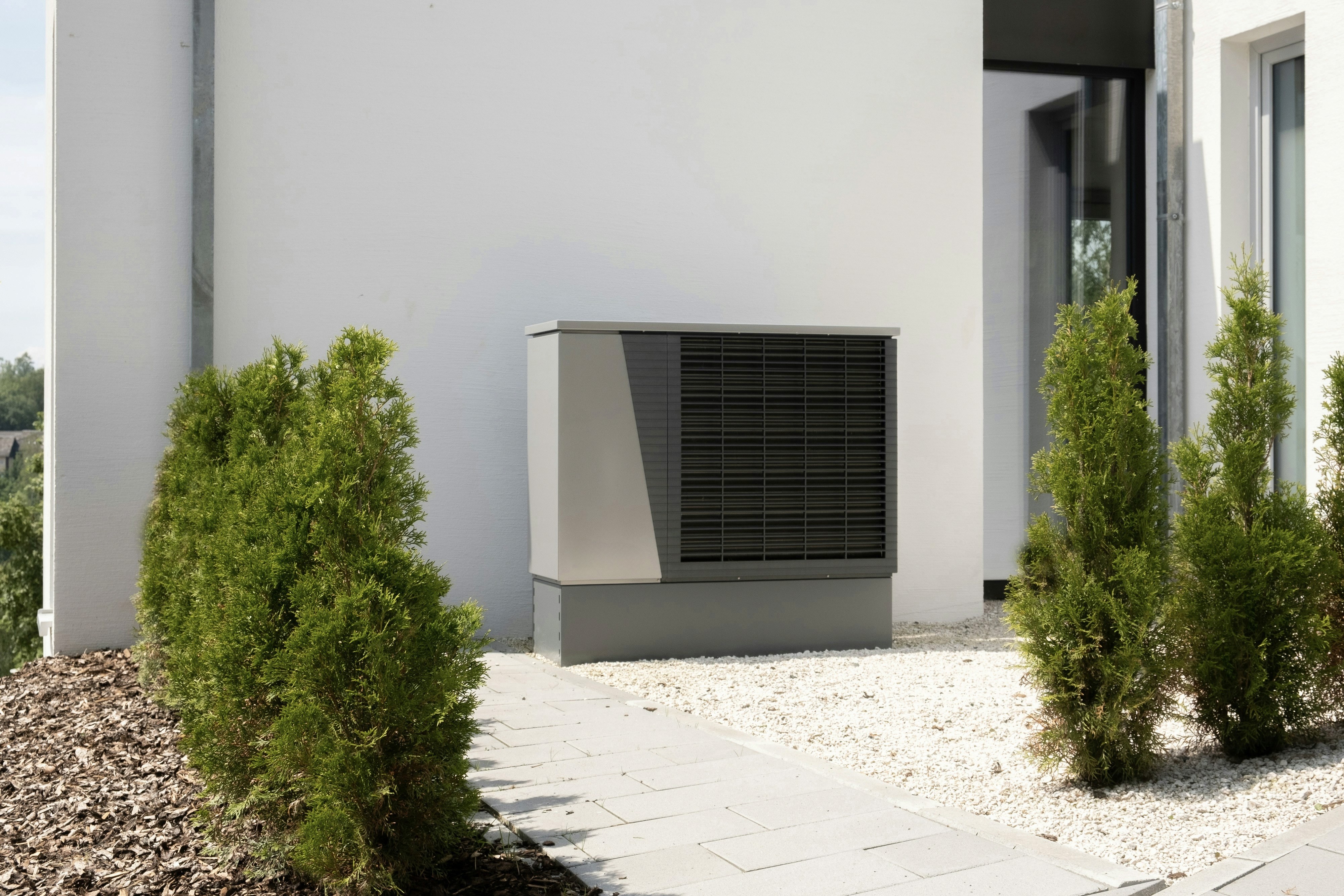
The cheapest energy is the energy you never use. Ground-source (geothermal) and modern air-source heat pumps dramatically reduce a home's heating and cooling demand, which shrinks how much you need to generate in the first place. They pair naturally with any generation option. (See How Heat Pumps Lower Your California Energy Bills for the details.)
5. Fuel cells — steady, around-the-clock output
Fuel cells produce power continuously rather than only when the sun shines or wind blows. They're SGIP-eligible under the renewable-generation budget, but for now they remain mostly a commercial-scale option and are rarely cost-effective for a single home.
How the options compare
Option | Best for | Typical installed cost | Honest reality check |
|---|---|---|---|
Rooftop solar | Almost any sunny CA roof | ~$2.50–$4.00 / watt | Lowest cost per watt; export value cut under NEM 3.0 |
Energy storage | Outage/wildfire resilience, bill control | Varies; SGIP may offset | The main active rebate path in 2026 (income-qualified) |
Small wind | Rural lots, 1+ acre, 12+ mph wind | ~$8,000 / kW (NREL 2023) | Not practical for most suburban homes; 15–25 yr payback |
Geothermal / heat pump | Cutting heating & cooling load | Varies | Reduces the energy you need to generate |
Fuel cell | Steady 24/7 output | High | Mostly commercial; SGIP-eligible but niche |
Where this leaves a typical California home
For most California homeowners, the practical mix is rooftop solar plus energy storage, with a heat pump to cut the underlying load. Small wind and fuel cells are situational — excellent for the right rural site, a poor fit for a standard suburban lot.
Also remember the 2026 federal change: the 30% federal Residential Clean Energy Credit ended on December 31, 2025, so homeowner-owned systems placed in service in 2026 no longer qualify for that federal credit. State and utility programs like SGIP are now the main incentive layer.
California Energy Initiative is a local energy advisory service — not a contractor or installer. We help you figure out which mix actually fits your home, site, and budget, then connect you with independent licensed installers you can verify yourself. Our assessment is free, with no pressure to sign anything.
Frequently asked questions
Can I put a wind turbine on my house in California?
On a standard suburban lot, usually not practically. Home wind generally needs 1+ acre, average wind of 10–12+ mph, and a 60–120 ft tower (U.S. Department of Energy). It fits rural acreage in California's windy regions far better than a typical Sacramento neighborhood.
Is wind cheaper than solar for a home?
No. Small wind runs about $8,000 per kW installed (NREL 2023), roughly double to triple rooftop solar per unit of capacity, with a much longer payback (15–25 years vs 6–10).
Does SGIP cover anything besides storage?
Historically, yes — its renewable-generation budget has funded wind turbines and fuel cells. But the one actively open residential pathway in 2026 is the income-qualified storage program, which is itself waitlisted. See SGIP Rebates in 2026: Who Can Still Qualify.
Is California Energy Initiative a contractor?
No. CEI is a Sacramento-based local energy advisory service. We help you check eligibility and connect with independent licensed installers, and we're not affiliated with californiaenergyinitiative.org.
California Energy Initiative is a Sacramento-based local energy advisory service. We help homeowners check SGIP eligibility, get a free assessment, and connect with independent licensed installers. We are not a contractor or installer, and we are not affiliated with californiaenergyinitiative.org. Call (888) 288-6988 or visit cainitiative.com.