
·
·
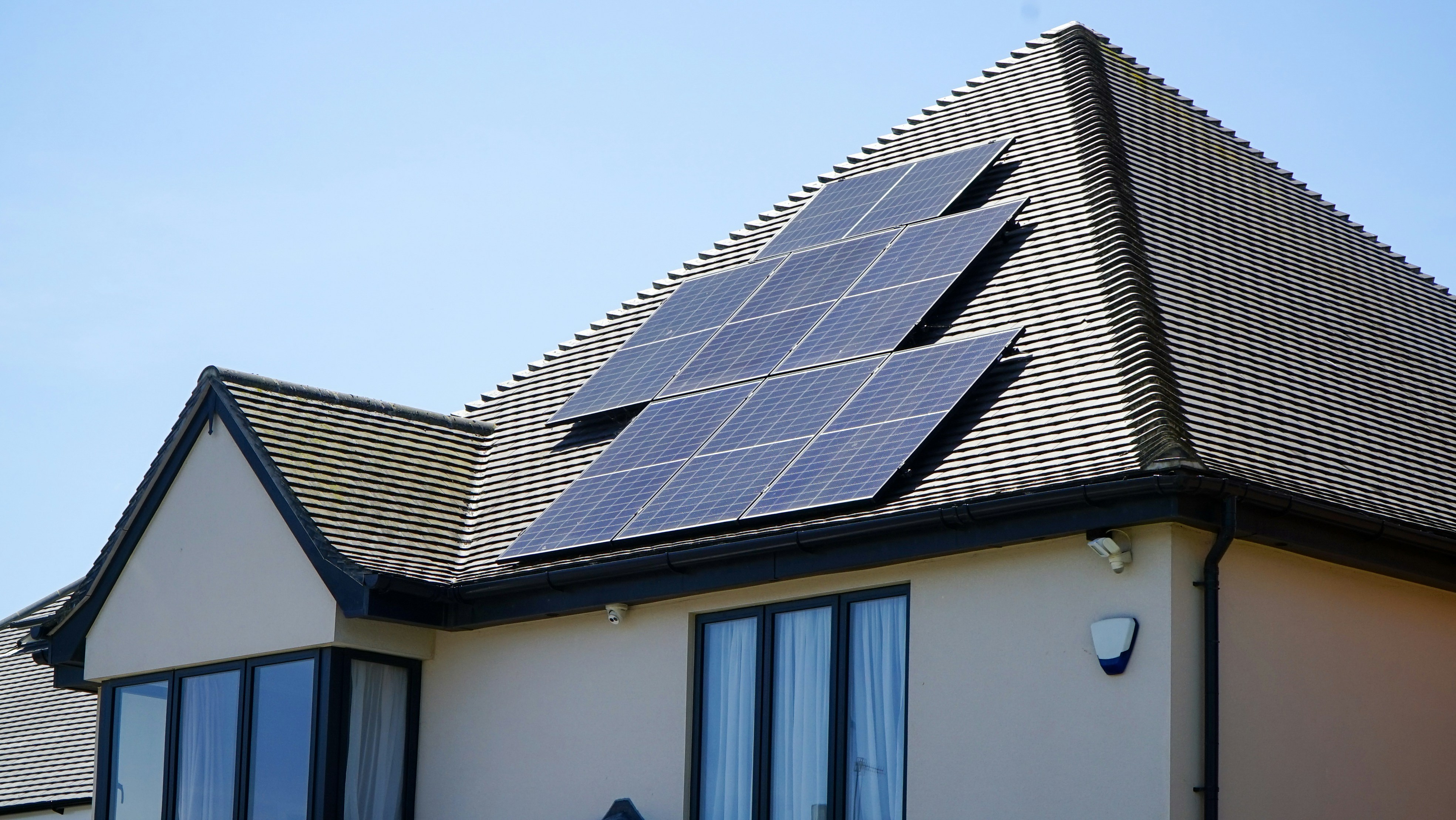
Sacramento neighborhoods and solar battery eligibility: a local guide for 2026
One of the most common questions we get from Sacramento-area homeowners is simple: does my neighborhood qualify?
The answer depends on several things — your utility territory, whether your address falls within a High Fire Threat District, your income eligibility, and whether your area has experienced PSPS events. This guide breaks it down by area so you can get a rough sense of where your neighborhood stands before you call.
How SGIP eligibility maps onto Sacramento geography
SGIP eligibility is determined by two main geographic factors.
Utility territory. Sacramento County is split between PG&E and SMUD (Sacramento Municipal Utility District). SGIP is a state program administered through the investor-owned utilities — meaning it applies to PG&E customers, not SMUD customers. If you're served by SMUD, you won't qualify for SGIP but may qualify for SMUD's own battery incentive programs.
High Fire Threat District (HFTD) status. The CPUC designates areas of California as Tier 2 or Tier 3 HFTD based on fire risk models. Customers in these areas are eligible for the Equity Resilience tier of SGIP, which carries the highest rebate levels.
The general pattern in the Sacramento region: central Sacramento and suburban areas closer to the city are typically outside HFTD zones, while foothill communities and areas near wildland-urban interfaces are more likely to qualify.
Neighborhoods and areas by eligibility profile
This is directional guidance — eligibility is determined at the address level, so always verify with a licensed solar and battery storage contractor.
Areas commonly within HFTD zones (Equity Resilience likely)
Folsom (eastern portions)
Parts of Folsom — particularly neighborhoods near the American River canyon and eastern Folsom near El Dorado Hills — fall within or adjacent to HFTD Tier 2 designation. PG&E serves the majority of Folsom.
Orangevale
Orangevale has PG&E service and sections that fall within HFTD zones. Residents here have historically experienced PSPS events.
Fair Oaks (eastern portions)
Similar to Orangevale in profile — PG&E territory with portions in or near HFTD boundaries.
Rancho Murieta
One of the Sacramento County areas with highest HFTD exposure. Residents here have experienced significant PSPS disruption and are a strong candidate group for Equity Resilience SGIP.
El Dorado Hills (Sacramento County portion)
The western Sacramento County portions of this community fall within PG&E territory and HFTD overlap areas.
Lincoln (Placer County)
Just north of Sacramento County, Lincoln and surrounding Placer County communities frequently qualify. Not Sacramento proper, but we serve this area.
Areas typically outside HFTD zones — but still SGIP-eligible
Central Sacramento / Midtown / Land Park / East Sacramento
PG&E service territory. These areas can qualify for SGIP's General Market or Equity budgets (for income-qualifying households) — but typically not Equity Resilience unless a specific PSPS history or medical baseline applies.
Natomas / North Sacramento
PG&E territory. SGIP-eligible under General Market and Equity budgets. Strong candidates for the federal ITC and time-of-use savings with battery storage.
Arden-Arcade / Carmichael
PG&E territory. General Market SGIP eligibility. A battery system here would primarily benefit from TOU savings and outage protection rather than the maximum SGIP rebate level.
SMUD service territory — different program applies
Much of central and south Sacramento falls under SMUD, including downtown Sacramento, Elk Grove, portions of Rancho Cordova and Citrus Heights, and West Sacramento. SMUD does not participate in SGIP. However, SMUD has its own residential battery incentive programs. If you're a SMUD customer, we can still help you navigate the options available in your area.
How to confirm your eligibility by address
The most accurate way to determine SGIP eligibility is a free home assessment. During that visit we confirm:
Your utility provider and service territory
Whether your address falls within a HFTD zone
Whether you qualify for Equity, Equity Resilience, or General Market funding
Whether any PSPS history applies to your address
You can also check your utility territory using PG&E's address lookup tool at pge.com, and review HFTD maps on the CPUC's website at cpuc.ca.gov.
Why we focus on Sacramento
California Energy Initiative is headquartered in Sacramento. This is our home market — not a territory we cover from Los Angeles or San Jose. Our team is local, our office is local, and we understand the specific utility dynamics, fire-risk geography, and neighborhood characteristics of this region.
We've worked with homeowners from Natomas to Rancho Murieta, from North Sacramento to Folsom. We know which neighborhoods have the most complex interconnection situations, which areas have seen the most PSPS disruption, and where the SMUD and PG&E territory lines run.
If you're in the greater Sacramento area and want to know whether your address qualifies, the fastest answer comes from a free assessment.
Schedule your free assessment or call (877) 743-1143.
California Energy Initiative is a solar and battery storage contractor serving Sacramento and surrounding communities. We have a 4.8-star Google rating across 109+ reviews. Verify our credentials at cainitiative.com/verify.