
·
·
When homeowners start researching solar energy, one of the first design questions they encounter is whether to install traditional solar panels or solar roof tiles. Both options generate electricity from sunlight, but they differ significantly in cost, installation, and practicality.
In California, where solar adoption is widespread and electricity prices are high, choosing the right type of solar system can affect both the financial return and the overall appearance of a home.
Understanding the differences between solar panels and solar roof tiles can help homeowners make a more informed decision.
What are traditional solar panels?
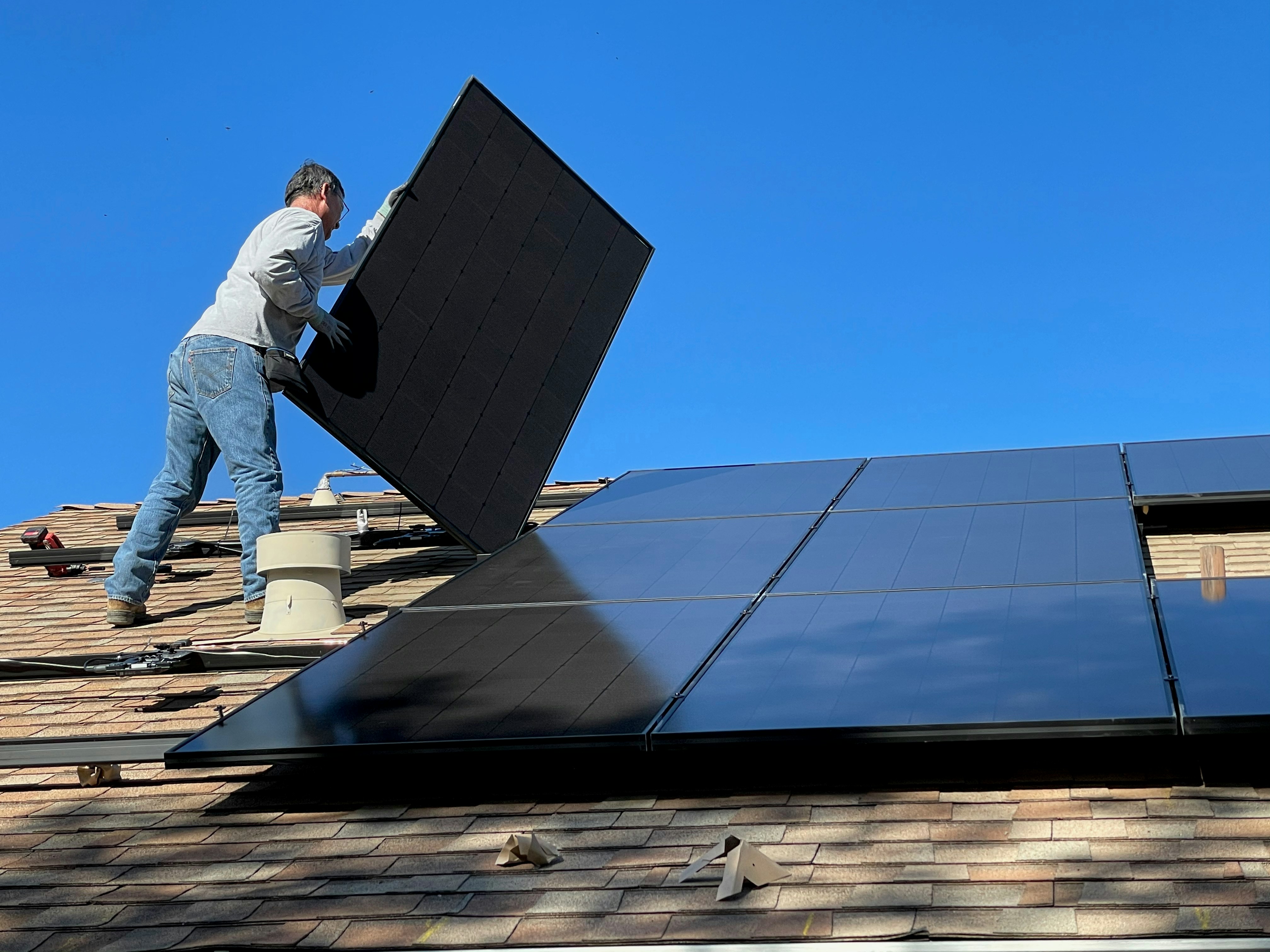
Traditional solar panels are the most common residential solar technology. These panels are mounted on top of an existing roof using a racking system that holds the panels at the correct angle.
The panels convert sunlight into electricity, which is then used by the home or sent to the electrical system.
Solar panels have been installed on millions of homes worldwide and are widely considered the most proven and cost-effective residential solar technology.
Key characteristics include:
Mounted on top of the roof surface
Installed using metal racks or rails
Available from many manufacturers
Typically higher efficiency per dollar than other options
Because the technology is mature and widely available, installation costs are generally lower than for newer solar roofing systems.
What are solar roof tiles?
Solar roof tiles are designed to replace traditional roofing materials rather than being mounted on top of them. Instead of installing panels above the roof, the solar components become part of the roof itself.
These systems are designed to blend into the appearance of the home, making them attractive for homeowners who prefer a more integrated architectural look.
Solar roof tile systems usually include a mix of solar-producing tiles and non-solar tiles so the entire roof maintains a consistent appearance.
Key characteristics include:
Built directly into the roof structure
Designed to resemble traditional roofing materials
Installed during roof construction or replacement
Often selected for aesthetic reasons
While the design can be visually appealing, installation is typically more complex.
Comparing costs
Cost is often the most important factor for homeowners comparing these two options.
Traditional solar panels are usually less expensive because:
Installation is simpler
The technology is widely manufactured
More contractors are experienced with installation
Solar roof tiles typically cost more because they combine two projects into one: a new roof and a solar energy system.
Installation may also require specialized installers, which can increase labor costs.
For many homes that already have a roof in good condition, traditional solar panels are usually the more economical option.
Efficiency differences
Efficiency refers to how much electricity a system can produce from sunlight.
Traditional solar panels are generally more efficient because they are designed specifically to maximize energy production.
Solar roof tiles often prioritize design and appearance, which can sometimes reduce their overall efficiency compared with standard panels.
However, actual energy production depends on many factors, including roof orientation, shading, and system size.
Installation considerations
Installation requirements differ significantly between the two technologies.
Solar panels can usually be installed on an existing roof if the roof structure is in good condition and has sufficient lifespan remaining.
Solar roof tiles are typically installed when a roof is being replaced or during new construction. Because the solar components are integrated into the roof, installation may require more planning and coordination.
This difference can make solar roof tiles a more natural choice when a home already needs a roof replacement.
Aesthetics and home design
One reason some homeowners prefer solar roof tiles is appearance.
Traditional solar panels are clearly visible on the roof surface. While modern panels are designed to look clean and minimal, they are still distinct from the roof itself.
Solar roof tiles, on the other hand, can blend more seamlessly with the roof design. For homeowners focused on maintaining a specific architectural style, this integrated appearance can be a major advantage.
In neighborhoods with strict design guidelines or homeowners associations, aesthetics may also play a role in the decision.
When traditional solar panels usually make sense
Solar panels are often the best choice when:
The existing roof is in good condition
The homeowner wants the most cost-effective system
Energy production is the top priority
Installation flexibility is important
For many California homeowners, panels offer the strongest balance of performance and cost.
When solar roof tiles may be a better fit
Solar roof tiles may make more sense when:
The home already needs a new roof
A fully integrated appearance is important
The homeowner is planning a major renovation or new construction
Visual design is a higher priority than upfront cost
In these situations, combining roofing and solar into a single project can be appealing.
The practical takeaway
Both solar panels and solar roof tiles can generate clean electricity for a home. The main differences lie in cost, appearance, and installation complexity.
For most existing homes, traditional solar panels remain the most practical and cost-effective solution. Solar roof tiles are often chosen when homeowners prioritize architectural integration or when a roof replacement is already planned.
Evaluating roof condition, energy goals, and budget can help determine which option makes the most sense for a particular home.