·
·
Wildfire season and power outages: how Sacramento homeowners can prepare with a home energy storage system
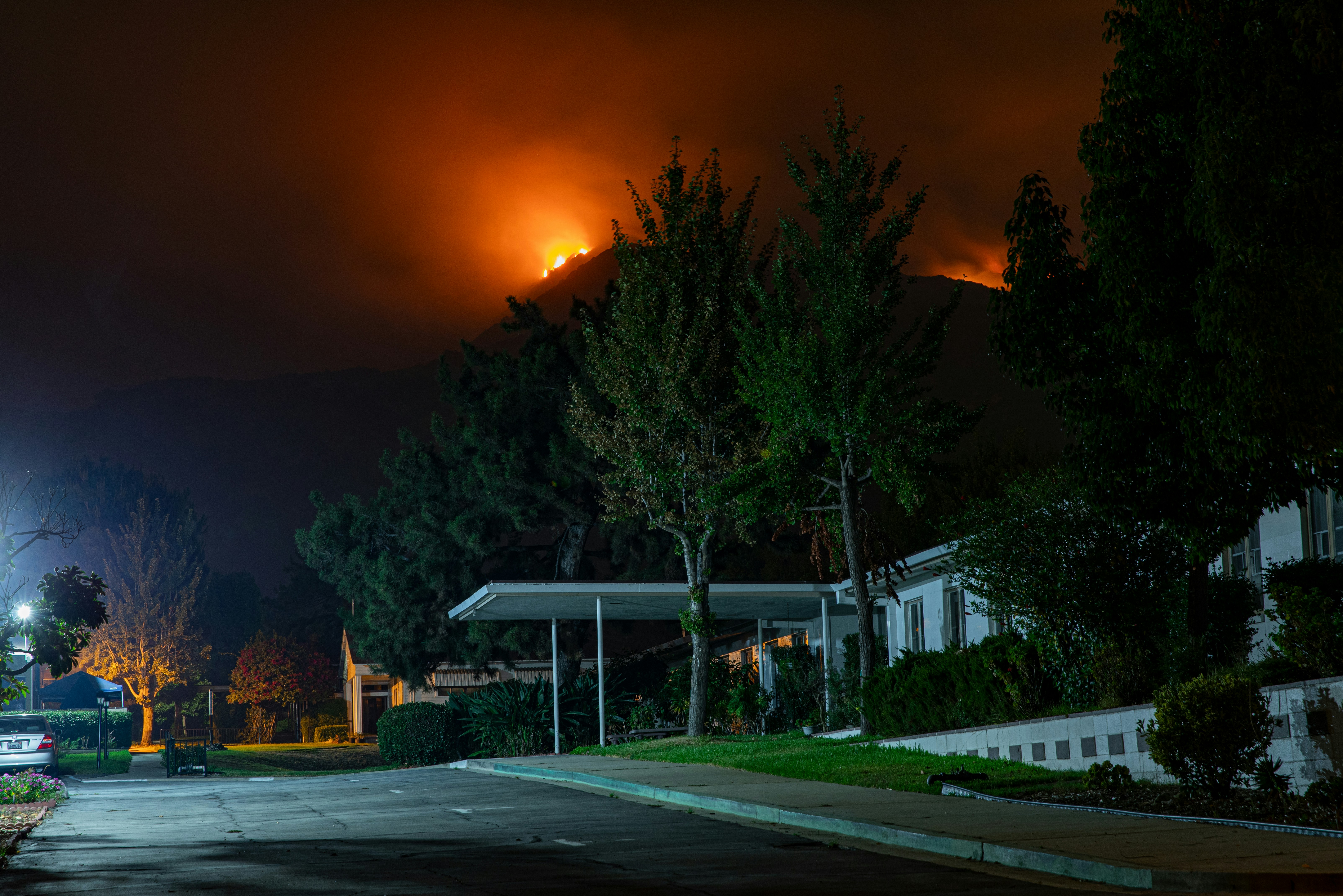
Every year as summer arrives, Sacramento-area homeowners face the same reality: fire season is coming, and with it the possibility of planned power shutoffs.
PG&E's Public Safety Power Shutoff (PSPS) program — designed to prevent wildfires caused by energized power lines during high-wind conditions — has affected hundreds of thousands of Northern California customers since it launched in 2018. Some outages last hours. Others have lasted multiple days.
This guide explains what PSPS outages mean for Sacramento-area homes, how energy storage changes the equation, and what programs are available to help cover the cost.
What is PSPS and who does it affect in Sacramento?
PSPS events are planned, preemptive power shutoffs that PG&E initiates when fire weather conditions — high winds, low humidity, dry vegetation — create elevated ignition risk on transmission and distribution lines.
The decision to shut off power is based on weather forecasts, equipment risk assessments, and the fire threat level of each circuit. Areas in or near High Fire Threat Districts (HFTD) — as designated by the CPUC — are most likely to be affected.
In the Sacramento region, areas most commonly impacted include:
Foothill communities east of Sacramento (El Dorado Hills, Folsom, Rancho Murieta)
Parts of Placer and El Dorado counties
Rural portions of Sacramento County near wildland-urban interface zones
Even if your neighborhood isn't in an HFTD, you can still lose power when a circuit that serves your area includes upstream infrastructure that is in an HFTD.
What happens to your home during an extended outage?
Most people underestimate the cascading effects of a multi-day outage. Beyond the obvious inconvenience, extended power loss creates real risks.
Food safety: A standard refrigerator keeps food safe for about four hours without power. A full freezer holds for roughly 48 hours if kept closed.
Medical equipment: Homeowners who depend on CPAP machines, home oxygen concentrators, insulin refrigeration, or other powered medical devices face serious risk during extended outages.
Well water: Homes on private wells lose water pressure when the pump loses power.
Home security: Alarm systems, cameras, and smart locks typically fall back to battery backup, which may not last more than 24–48 hours.
Heating and cooling: In California's summer heat, the inability to run air conditioning creates a health risk — particularly for elderly residents and young children.
How a home energy storage system changes this picture
A home energy storage system stores electricity and delivers it during an outage. Depending on the system size and configuration, it can:
Keep your refrigerator and freezer running for 1–3 days
Power essential lights, phone charging, and Wi-Fi throughout the outage
Run a CPAP machine for 3–5 nights on a single charge
Maintain a minimal HVAC load during peak temperature hours
An energy storage system is not a whole-home generator replacement unless you have a very large storage capacity and manage loads carefully. But for most homeowners, it covers the things that matter most.
If your home also has on-site generation, your storage system can recharge during daylight hours — extending coverage through multi-day outages as long as conditions allow.
A realistic PSPS scenario
A Sacramento-area homeowner in Orangevale has a 13.5 kWh energy storage system. During a PSPS event:
Refrigerator (150W average draw): consumes roughly 3.6 kWh per 24 hours
LED lighting and phone charging: roughly 0.5–1 kWh per day
A small window AC unit (750W, run for 4 hours): approximately 3 kWh
Total daily draw: roughly 7–8 kWh. A full 13.5 kWh system gets them through one full night comfortably. With on-site generation producing 20–30 kWh on a clear day, the system recharges fully before the next evening.
The SGIP connection: state support for PSPS resilience
California specifically designed the Equity Resilience tier of SGIP to address PSPS vulnerability. Homeowners who have experienced two or more PSPS events, live in High Fire Threat Districts, or depend on medical equipment are eligible for the highest SGIP incentive levels — up to $1,000 per kWh of installed energy storage capacity.
This was a deliberate policy decision by the CPUC: the communities most disrupted by planned outages should have the most support in preparing for them.
If you're in a PSPS-affected or wildfire-adjacent area of Sacramento County, there's a real possibility you qualify for substantial SGIP funding toward an energy storage system.
What to do before fire season arrives
Step 1: Know your risk zone. Check whether your address falls within an HFTD zone using PG&E's interactive map or the CPUC's HFTD map at cpuc.ca.gov.
Step 2: Review your past outage history. PG&E maintains records of PSPS events by address. Two or more PSPS events is one of the Equity Resilience eligibility criteria.
Step 3: Get a free assessment. CEI can review your eligibility, help size an energy storage system for your home, and give you a clear cost picture including SGIP and federal tax credit deductions, then connect you with qualified installation partners.
Step 4: Don't wait until August. Summer PSPS events can happen quickly, and installation timelines typically run 4–8 weeks from first contact to completed system.
California Energy Initiative serves the Sacramento region and surrounding foothill communities. We offer free home assessments and can walk you through your SGIP eligibility in one visit.
Check eligibility or schedule an assessment, or call (877) 743-1143.
California Energy Initiative is a Sacramento-based local energy advisory company. We connect homeowners in wildfire-prone and underserved communities with self-generation incentive programs and qualified installation partners. Call (888) 288-6988 or visit cainitiative.com.