
·
·
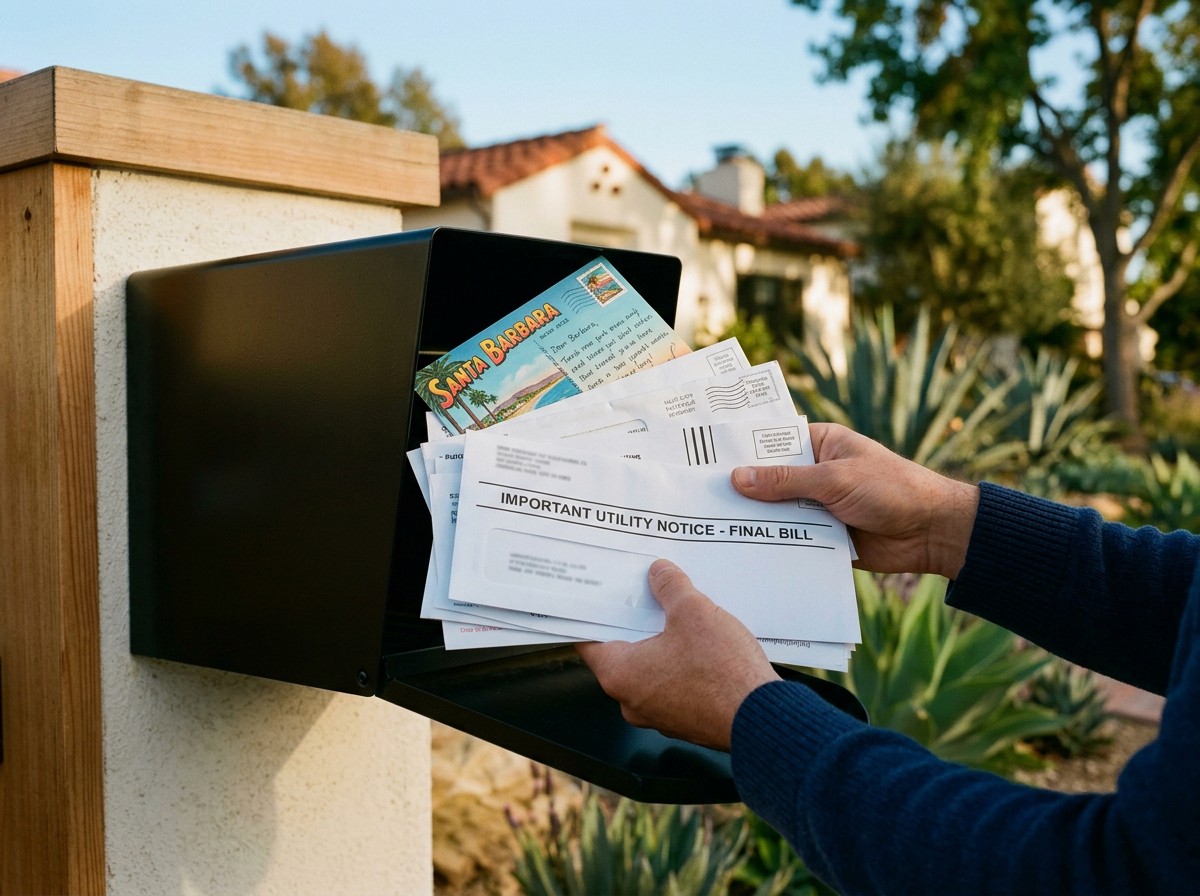
If you're a homeowner in California, chances are you've received a postcard, flyer, or door hanger about energy programs, home energy upgrades, or a program called SGIP. Some of these look like official utility notices. Others reference state laws or incentive deadlines. Many promise free assessments or no out-of-pocket costs.
So how do you know what's real?
This guide explains how energy marketing works in California, what the actual SGIP program looks like, and how to protect yourself from misleading claims — whether they come in the mail, on your doorstep, or over the phone.
Why Are There So Many Energy Mailers in California?
California is the largest residential clean energy market in the country. The state also runs one of the most generous energy storage incentive programs in the nation — SGIP (Self-Generation Incentive Program) — which can cover a significant portion of installation costs.
These facts create a large market for energy companies and contractors. To compete, companies use a wide range of marketing strategies: digital ads, door-to-door sales, mailers, postcards, and flyers. Some of this marketing is straightforward. Some of it pushes the boundaries of what's accurate.
The California Contractors State License Board (CSLB) has publicly warned consumers about misleading energy advertisements distributed via door flyers, door-to-door sales, and direct mail — including materials that misrepresent state climate policy or claim to offer something "free."
What the SGIP Program Actually Is
Before evaluating any mailer, it helps to understand what SGIP really is:
SGIP (Self-Generation Incentive Program) is a real program administered by the California Public Utilities Commission (CPUC). It provides financial incentives for installing qualifying distributed energy systems — primarily energy storage — on the customer's side of the meter.
Key facts about SGIP:
It's administered by PG&E, SCE, SoCalGas, and the Center for Sustainable Energy (for SDG&E territory)
Rebates can cover 15% to 100% of energy storage costs, depending on eligibility category
The program prioritizes high fire-threat areas, PSPS-affected communities, low-income households, and medically vulnerable customers
Participation is voluntary — no utility is requiring homeowners to install equipment
All applications must go through a registered SGIP Developer listed on the official portal at selfgenca.com
CPUC authorized more than $1 billion for SGIP, with new residential equity and storage incentives added in 2025
SGIP is a real program with real money behind it. The issue isn't whether SGIP exists — it's whether the marketing you received accurately represents how the program works.
Red Flags to Watch For in Energy Mailers
Based on CSLB warnings, CPUC guidance, and PG&E consumer alerts, here are the most common misleading claims found in energy mailers:
"Utilities are required to convert homes to self-generation"
False. No California utility is requiring homeowners to install equipment. This type of claim has been specifically flagged by PG&E as misleading.
"You'll pay up to 37% more if you don't enroll"
Misleading. While California electricity rates have been rising (for reasons we've covered in our grid costs article), there is no penalty for not participating in SGIP. The program is entirely voluntary.
"Free system" or "No out-of-pocket cost"
Requires context. The CPUC has explicitly flagged "free at no cost" promises as claims to be cautious of. While some SGIP categories can cover the full cost of an energy storage system, there are always conditions, eligibility requirements, and potential long-term obligations depending on the financing structure.
"Assessment scheduled this week" or "Final notice"
High-pressure tactic. Legitimate assessments are scheduled at the homeowner's request, not imposed by the company. Any mailer that creates artificial urgency — implying you must act immediately or lose your chance — is using a pressure tactic.
Official-looking branding (utility logos, colors, seals)
Potentially misleading. PG&E has specifically warned that some flyers use their brand colors and formatting to appear official. If a mailer looks like it's from your utility, verify by calling your utility's official customer service number — not the number on the mailer.
References to Penal Code or state laws
Misleading context. Some mailers cite California Penal Code sections (such as 452 PC, which actually relates to arson) to make the materials appear legally authoritative. This doesn't mean the mailer itself has legal authority over your home or energy decisions.
What Legitimate SGIP Outreach Looks Like
Legitimate companies and SGIP developers typically:
Identify themselves clearly — business name, license number where applicable, contact information
Don't impersonate utilities — they present themselves as private companies that help homeowners access incentive programs
Explain the program accurately — including that it's voluntary, has eligibility requirements, and depends on available funding
Don't create false urgency — they give you time to research, compare, and make an informed decision
Welcome verification — they're happy to share their credentials and any required registrations
What to Do If You Receive a Suspicious Mailer
Don't call the number on the mailer immediately. Research the company independently first.
Check any contractor's license at cslb.ca.gov.
Search for the company online — reviews, complaints, and any reported scam activity.
Verify SGIP developer status at selfgenca.com.
Contact your utility directly using the number on your actual bill — not on any mailer — to confirm whether the outreach is affiliated with them.
Report misleading materials to PG&E's scam hotline, the CSLB, or the CPUC if you believe the marketing is deceptive.
SGIP Is Real — Your Due Diligence Matters
The Self-Generation Incentive Program is one of the most impactful energy incentive programs in the country. Thousands of California homeowners have legitimately benefited from it. The program itself isn't a scam — but not every company that references it in their marketing represents it accurately.
The best thing you can do as a homeowner is educate yourself. Understand what SGIP actually covers, how the application process works, and what legitimate outreach looks like. The resources above will help you do exactly that.
California Energy Initiative is a Sacramento-based local energy advisory company. We connect homeowners with state-supported self-generation programs and energy incentives. (888) 288-6988 or visit cainitiative.com.